
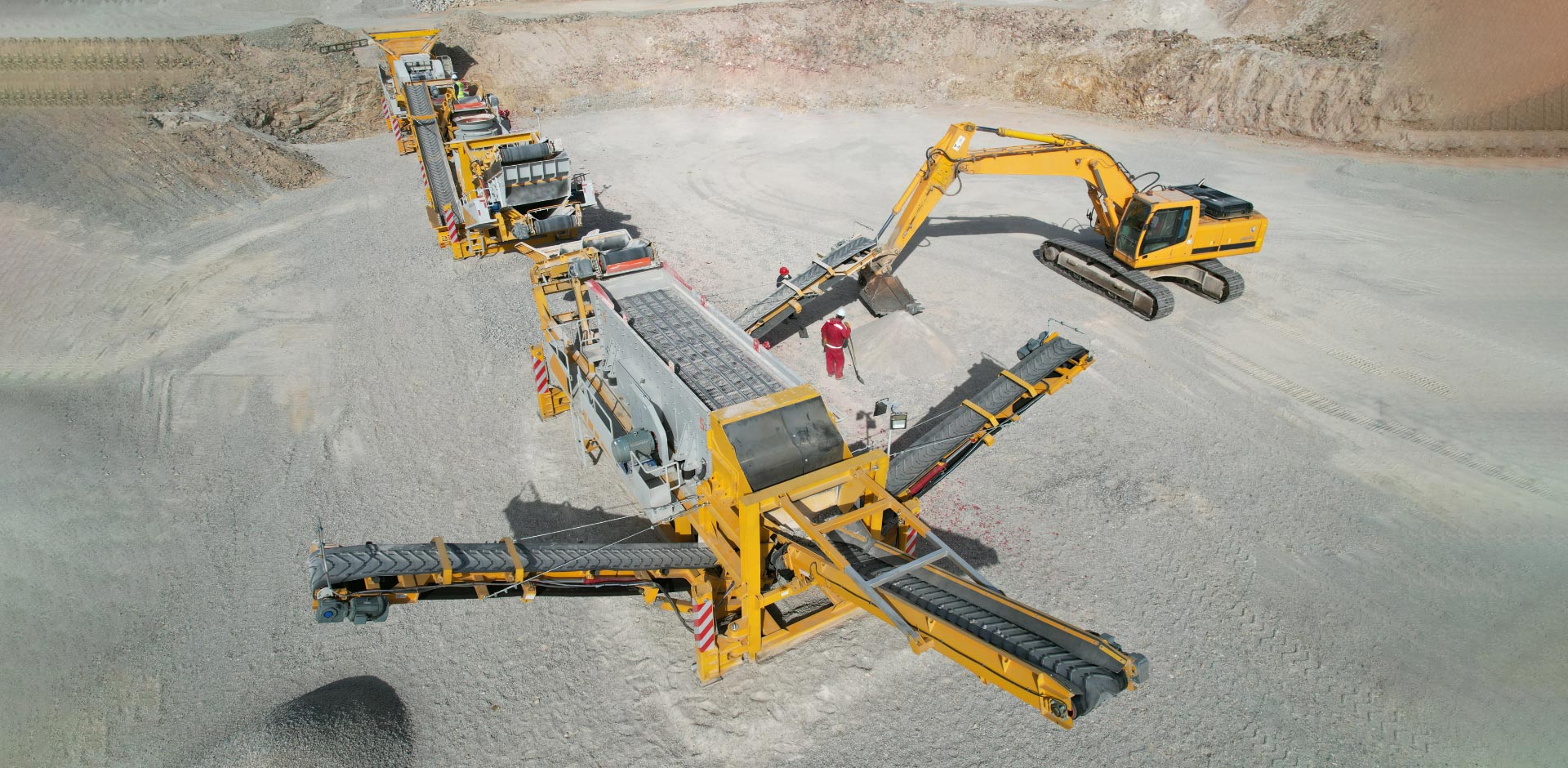
Navigating the capital equipment landscape for aggregate production requires a discerning eye and a firm grasp of market dynamics. For mid-tier operators and established quarries alike, the 100 TPH (Tonnes Per Hour) stationary stone crusher plant represents a sweet spot—a balance of substantial output and manageable operational scale. However, the financial commitment for such an asset is substantial, and the quoted price for a plant can vary dramatically. This variability is not arbitrary; it is a function of a complex interplay of factors ranging from raw material costs to technological sophistication. Understanding these underlying components is essential for making a prudent investment. This analysis aims to demystify the pricing structure of 100 TPH stationary plants, providing the requisite insights to approach the market with clarity and confidence, ensuring that capital outlay translates into long-term operational efficacy.
Core Components and Their Influence on Baseline Cost
The aggregate price of a 100 TPH stationary plant is, in essence, the sum of its meticulously engineered parts. Disaggregating this cost reveals that the selection of individual components is the primary driver of the final figure. A prospective buyer is not merely purchasing a machine; they are assembling a synchronized system, where each element’s quality and capability directly impact the total investment. From the primary jaw crusher that takes the brunt of the feed material to the final screening unit that ensures product specification, every component carries a distinct price tag influenced by its brand, metallurgy, and design complexity. A cursory glance at a base price can be profoundly misleading without a deep dive into the constituent machinery that defines the plant’s true value and productive capacity.
The Primary Jaw: The Vanguard of Reduction
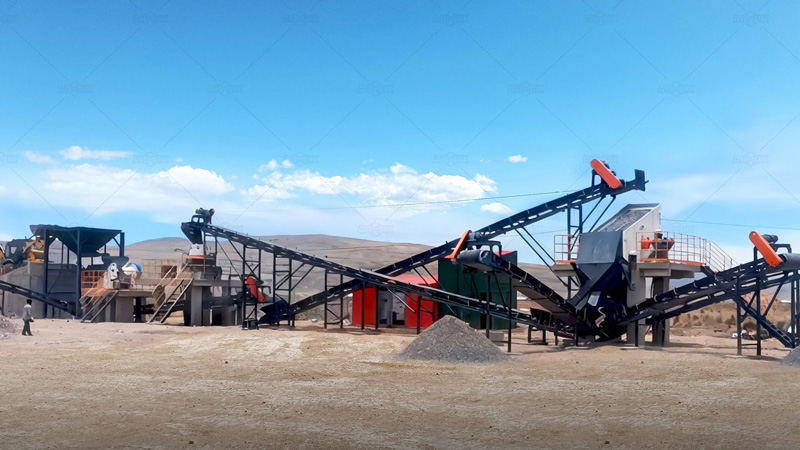
The primary jaw crusher is the heart of any stone crushing plant, and its specification is a major cost determinant. For a 100 TPH configuration, this typically involves a jaw crusher with a feed opening of around 750 x 1060 mm or equivalent. The stone crusher plant price can constitute 30-40% of the entire plant’s cost. Variations in price stem from the crusher’s engineering pedigree. A robust, heavy-duty jaw designed with a deep crushing chamber and employing high-grade manganese steel for the jaw dies will command a premium. This upfront cost is, however, an investment in longevity. It translates to fewer wear-part replacements and sustained throughput, even when processing abrasive materials like granite or basalt. Conversely, a lighter-duty jaw, potentially with a simplified toggle mechanism, offers a lower entry price but may incur higher operational expenditure over its lifecycle due to more frequent maintenance and reduced resilience against uncrushable materials.
Feeders, Hopper, and the Preliminaries
Before material even encounters the primary jaw, the system of feeders and the hopper play a pivotal, yet often underestimated, role in both cost and functionality. A vibrating grizzly feeder, designed to both meter the flow of stone and scalp off fine material, is a sophisticated piece of equipment. Its price escalates with the inclusion of variable speed drives and robust grizzly bars that can withstand the impact of large boulders. The hopper itself, while seemingly simple, incurs cost based on its plate thickness, capacity, and the inclusion of features like rock-box liners to reduce wear. These preliminary components are not mere accessories; they protect the crusher from unnecessary wear and ensure a consistent feed, thereby optimizing the entire plant’s efficiency. Skimping on this stage can lead to bottlenecks and increased downtime, negating any initial capital saved.
Secondary and Tertiary Equipment: Refining the Output
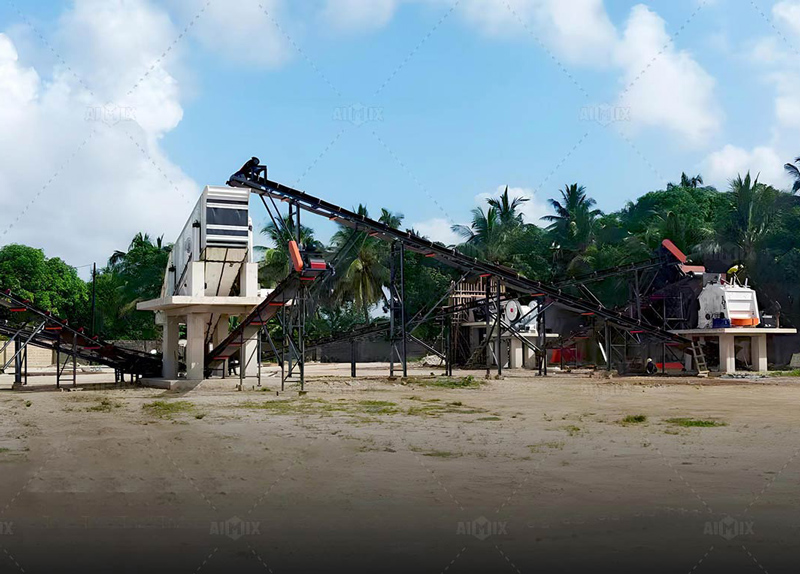
Beyond the primary crusher, the configuration of secondary and tertiary equipment significantly shapes the final price and the plant’s versatility. A standard 100 TPH crushing plant might employ a cone crusher for hard, abrasive stone, or an impact crusher for less abrasive materials where a cubical product shape is paramount. Cone crushers, with their complex hydraulic systems and precision engineering, typically represent a higher capital cost than horizontal shaft impactors. The number of screening decks and the size of the vibrating screens also add to the cumulative expense. A plant designed to produce multiple graded products—such as 20mm, 10mm, and 6mm aggregates—will require a larger, multi-deck screen with more screening area, driving up both the initial purchase price and the required structural support. The inclusion of conveyor belts, while ancillary, also contributes, with longer and wider belts adding to the overall system cost.
Market Factors: Beyond the Machinery Itself
The intrinsic value of the machinery is only one facet of the final purchase price. Extrinsic market forces exert a powerful influence, creating price fluctuations that can be as significant as the component selection itself. These factors are often beyond the control of both buyer and seller, yet they shape the negotiation landscape. Geopolitical events, fluctuations in global steel prices, and logistics costs all imprint themselves on the final invoice. A savvy buyer must be cognizant of these macroeconomic currents to time their purchase effectively and to understand the rationale behind a supplier’s quotation. It is this external environment that often dictates whether a plant is a financial bargain or a premium acquisition.
Raw Material Commodities and Supply Chains
The foundational raw material for any crushing plant is steel, and its price volatility is a primary driver of equipment cost. The immense structural frames, crusher shafts, and wear liners require tons of high-grade steel. When global iron ore prices surge or energy costs increase steel production expenses, manufacturers inevitably pass these increments downstream. Furthermore, the cost of specialized components, such as bearings from premium brands like SKF or FAG, or hydraulic motors from recognized manufacturers, is subject to their own supply chain dynamics. A disruption in the production of these critical imported components can lead to price hikes and extended lead times. Consequently, the price quoted for a 100 TPH plant on any given day is, to a notable extent, a reflection of that day’s global commodity markets and the health of international supply chains.
Brand Equity, Warranty, and After-Sales Support
In the capital equipment market, the purchase is as much about the future relationship with the supplier as it is about the hardware. Established manufacturers with a long-standing reputation for reliability and performance command a price premium. This premium is not merely for the nameplate; it is an investment in the assurance of consistent quality, comprehensive warranty terms, and crucially, the availability of after-sales support. A lower-priced plant from an unknown entity may appear attractive initially, but the potential lack of readily available spare parts and technical service can lead to prohibitive downtime costs. The warranty offered—its duration, what it covers, and the responsiveness of the service team—is a tangible asset that should be factored into the total cost of ownership. A slightly higher upfront cost that includes a robust support package often proves to be the most economical choice over the plant’s operational life.
Ultimately, discerning the price of a 100 TPH stationary stone mobile crusher plant requires a holistic perspective. It is a calculation that must integrate the quality of core components, the efficiency of the system design, and the prevailing market conditions. A lower headline figure may conceal a future of frequent maintenance and suboptimal performance. Conversely, a premium investment, when aligned with a reputable manufacturer and a clear understanding of operational needs, secures a productive asset capable of delivering consistent returns. The true insight, therefore, lies not in seeking the lowest price, but in identifying the plant that offers the greatest long-term value—a machine engineered to transform raw rock into profit, reliably and efficiently, for years to come.